Preventing Plumbing Emergencies: Essential Tips for Homeowners and Small Businesses
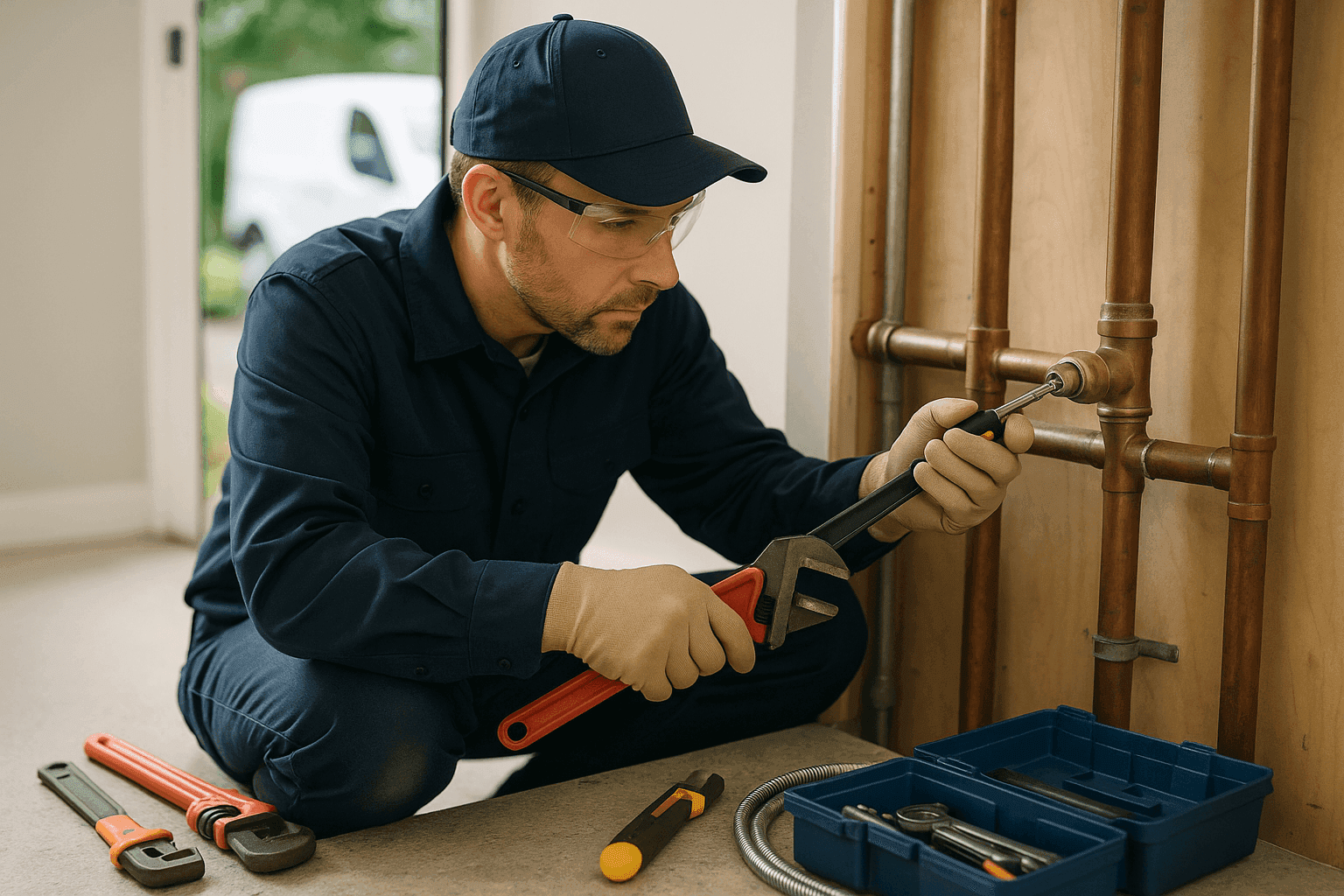
Plumbing emergencies don’t wait for a convenient time. A pipe bursts in the night. The toilet overflows just before guests arrive. Water heaters give up on the coldest morning of the year. If you’re a homeowner or run a small business, you know the stress these moments bring. At Alexanders Plumbing, we’ve seen it all—and we’re here to help you keep disaster at bay.
Being prepared isn’t just about having a wrench handy. It’s about knowing what to watch for, what you can do yourself, and when to call in the pros. This guide will walk you through the essentials, so you can keep your plumbing running smoothly—and avoid those frantic emergency calls.
Common Causes of Plumbing Emergencies 🚨
Plumbing emergencies rarely happen out of nowhere. Most start as small issues that grow quietly behind the scenes. Here are the usual suspects:
- Clogged drains: Hair, grease, food scraps—over time, these build up like a logjam in a river, blocking water’s path.
- Leaky pipes: Even a slow drip can erode pipe material, rot wood, and encourage mold.
- Frozen pipes: When temperatures drop, water inside pipes can freeze, expand, and split the pipe wide open.
- Faulty water heaters: Sediment build-up or aging components can cause leaks or sudden loss of hot water.
- Running toilets: A silent leak can waste hundreds of gallons of water each month.
- Sewer backups: Tree roots, collapsed lines, or blockages can send wastewater in the wrong direction.
Ignoring the early warning signs is like ignoring a rattling noise in your car. It won’t fix itself—and it could get a lot worse.
Quick Safety Checklist
Before disaster strikes, a few simple habits can save you headaches and money:
- Know where your main shut-off valve is. Label it if needed. Practice turning it off.
- Check under sinks and behind appliances for signs of moisture, rust, or puddles.
- Listen for gurgling drains or slow-flushing toilets. These can be clues to hidden clogs.
- Inspect hoses on washing machines and dishwashers for cracks or bulges.
- Test your sump pump by pouring water in the pit to make sure it cycles on.
- Look for corrosion on visible pipes. Green or white crust can mean trouble.
- Schedule annual backflow testing if you have irrigation or fire protection systems.
These small steps can help you spot trouble before it turns into a flood.
DIY Prevention vs. When to Call a Pro
Some plumbing tasks are as simple as changing a lightbulb. Others are more like rewiring your house—best left to professionals.
DIY Tasks
- Clearing minor clogs: A plunger or hand auger can handle most slow drains.
- Replacing faucet washers: Stops that persistent drip.
- Regularly cleaning drain stoppers: Keeps hair and debris from building up.
- Insulating exposed pipes: Foam sleeves can prevent winter freezes.
Call a Professional
- Persistent leaks: If tightening a connection doesn’t stop the drip, it may be a sign of bigger issues.
- Major blockages: Chemical drain cleaners can damage pipes. If plunging doesn’t work, call for help.
- Water heater issues: Strange noises, rust-colored water, or inconsistent temperatures need expert attention.
- Sewer line problems: Backups or foul odors require specialized tools and know-how.
- Gas line concerns: Never DIY gas! Always call a licensed plumber for installation or repairs.
When in doubt, remember: A quick call can prevent a small issue from becoming a full-blown emergency.
What Pros Do On Arrival
When you call Alexanders Plumbing for emergency plumbing, here’s what you can expect:
- Immediate assessment: We locate the source of the problem, whether it’s a hidden leak or a stubborn clog.
- Safety first: We shut off water or gas as needed to prevent damage.
- Professional tools: From video inspection cameras to high-powered drain augers, we use the right equipment for the job.
- Code compliance: All repairs are done according to plumbing codes and safety standards, such as those outlined by the International Plumbing Code.
- Clear communication: We explain the issue, your options, and the steps we’ll take—no surprises.
- Thorough testing: Before we leave, we make sure everything is working as it should.
Our goal is to get your system back to normal and help you prevent future emergencies.
Prevention & Maintenance
An ounce of prevention is worth a gallon of water saved. Here’s how to keep your plumbing healthy year-round:
Seasonal Maintenance Tips
Spring:
- Check for leaks after winter freezes.
- Inspect outdoor faucets and hoses.
- Schedule a sewer line inspection if you have large trees nearby.
Summer:
- Clean out gutters and downspouts to prevent water backup.
- Watch for increased usage from guests or irrigation.
Fall:
- Insulate exposed pipes before the first freeze.
- Test your sump pump before rainy season.
Winter:
- Keep a trickle of water flowing in rarely used fixtures during deep freezes.
- Open cabinet doors under sinks to let warm air circulate.
Regular Maintenance Checklist
- Drain cleaning: Schedule professional cleaning at least once a year.
- Leak detection: Annual inspections can catch hidden leaks before they cause damage.
- Water heater flushing: Removes sediment and extends the life of the unit.
- Backflow prevention: Have devices tested and serviced as required by safety codes.
- Fixture checks: Replace worn washers, seals, and hoses.
Staying on top of these tasks keeps emergencies at arm’s length.
Costs & Time Factors
Plumbing emergencies can be expensive—not just in repairs, but in water damage, lost business, or ruined property. Here’s what to expect:
- Minor repairs (like clearing a simple clog or fixing a leak) may take less than an hour.
- Major repairs (like replacing a burst pipe or fixing a sewer backup) can take several hours or longer, depending on access and materials.
- Costs vary widely based on the job’s complexity, parts needed, and the time of day.
Routine maintenance is almost always cheaper than emergency repairs. Just like oil changes for your car, regular check-ups keep things running smoothly and avoid big bills down the road.
When It’s an Emergency
Not sure if you’re facing an emergency? Here are signs you shouldn’t ignore:
- Water pouring from ceilings, walls, or floors
- Sewage smells or visible backups
- No water or no hot water at all
- Gas smells or hissing sounds near gas lines
- Flooded basement or crawlspace
If you see, smell, or hear any of these, turn off the main water (or gas) supply and call for help immediately. Safety comes first.
FAQ
How can I tell if I have a hidden leak?
Look for unexplained spikes in your water bill, musty odors, or stains on ceilings and walls. Some leaks are silent, so regular inspections can catch them early.
Is it safe to use chemical drain cleaners?
Chemical drain cleaners can damage pipes, especially older ones. They’re a quick fix, but not a long-term solution. For stubborn clogs, professional drain cleaning is safer and more effective.
How often should I have my plumbing inspected?
At least once a year. More often if your building is older or you’ve had issues before. Regular check-ups can catch problems before they turn into emergencies.
What should I do if my pipes freeze?
Turn off the main water supply and gently warm the frozen section with a hair dryer or space heater—never use an open flame. If you suspect a burst pipe, call a plumber right away.
Special Considerations for Homeowners and Small Businesses
Every building has its quirks. For homeowners, hidden pipes in walls or under floors can make leaks hard to spot. Small businesses often have more complex plumbing—think commercial kitchens, multiple restrooms, or special equipment.
- Backflow prevention is crucial for businesses with irrigation or fire suppression systems.
- Regular water pressure checks can keep sensitive appliances safe.
- Preventative maintenance is especially important for businesses that can’t afford downtime.
For both homes and businesses, following building codes and safety guidelines—like those from the International Association of Plumbing and Mechanical Officials—keeps everyone safe and systems reliable.
Plumbing emergencies don’t have to be a fact of life. With a little knowledge, some simple habits, and the right help when you need it, you can keep your water flowing and your property protected.
Call Alexanders Plumbing now — or reach us anytime at 877-837-7096 .