Preventing Plumbing Emergencies: Essential Tips for Homeowners and Small Businesses
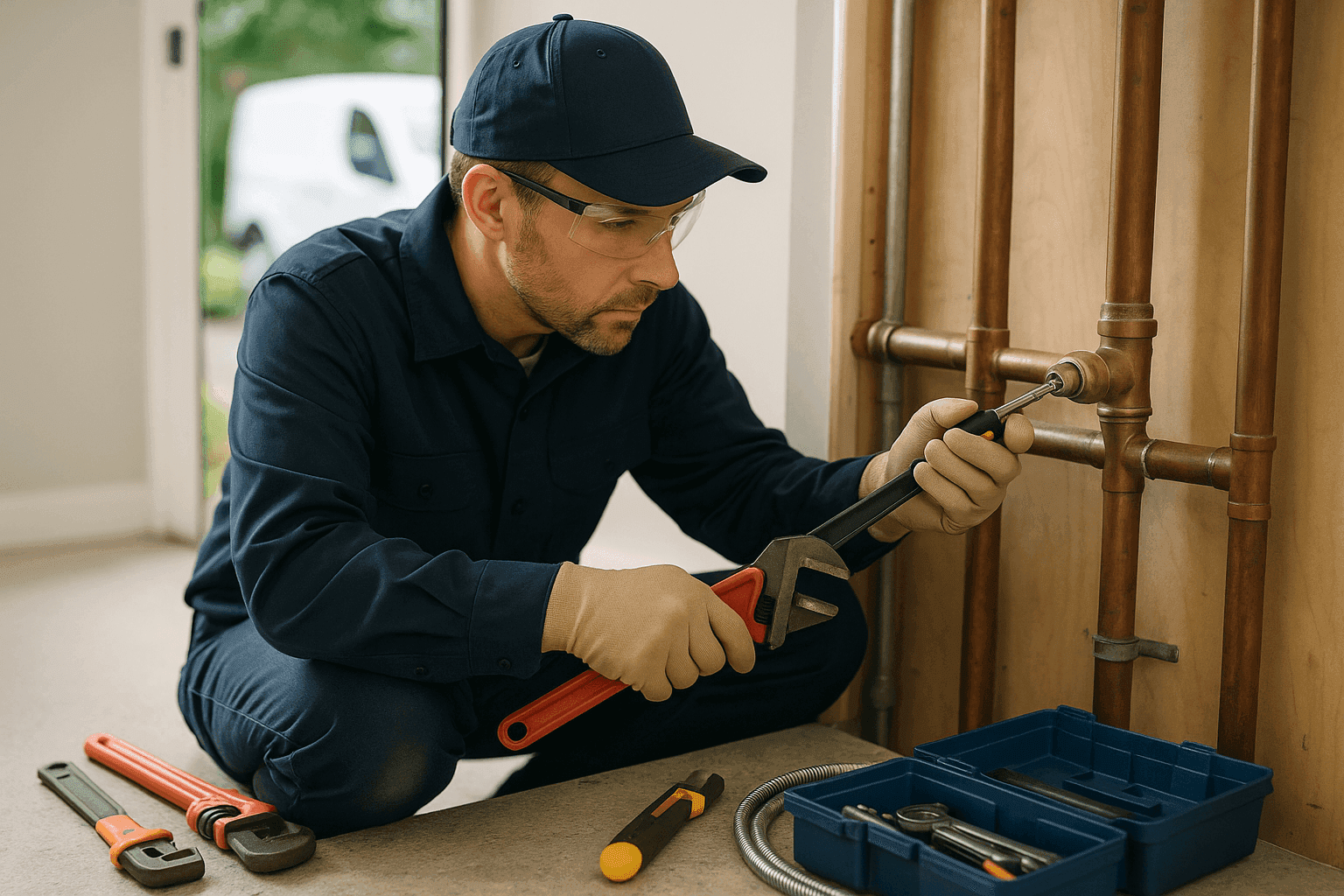
Plumbing emergencies don’t knock. They barge in—flooding your kitchen, soaking floors, and turning calm days into headaches. Whether you own a home or run a small business, a burst pipe or overflowing toilet can throw everything off balance.
At Alexanders Plumbing, we’ve seen firsthand how a little prevention can save a lot of stress (and money). This guide will help you spot trouble early, tackle simple checks, and know when to pick up the phone for emergency plumbing help.
Understanding Common Plumbing Emergencies 🚨
Every property faces the same cast of plumbing villains:
- Burst Pipes: Like a garden hose left out in winter, pipes can freeze, crack, and unleash a torrent.
- Leaking Fixtures: That drip-drip-drip isn’t just annoying—it can rot cabinets and rack up your water bill.
- Clogged Drains and Toilets: A slow drain is like a ticking clock. Ignore it, and you might face a full-on backup.
- Water Heater Failures: Cold showers are rough, but leaks from a failing heater can do real damage.
- Sewer Line Backups: The worst-case scenario. Raw sewage can flood your property, creating a health risk and a costly cleanup.
Ignoring small issues is like ignoring the warning light on your car’s dashboard. The longer you wait, the bigger (and more expensive) the problem becomes.
Seasonal Maintenance Tips to Avoid Emergencies
Plumbing systems face different threats as the seasons change. Here’s how to stay ahead:
Before Winter
- Insulate Exposed Pipes: Especially in unheated spaces like basements and crawl spaces.
- Disconnect Outdoor Hoses: Water left inside can freeze and burst pipes.
- Check for Drafts: Cold air sneaking into wall cavities can freeze pipes fast.
Before Rainy Seasons
- Test Sump Pumps: Pour water into the pit to make sure it kicks on.
- Clear Gutters and Downspouts: Blockages can force water into your foundation.
- Inspect Sewer Lines: Tree roots love to find their way into old pipes.
Year-Round
- Scan for Leaks: Look under sinks, behind toilets, and around appliances.
- Monitor Water Pressure: High pressure can strain pipes and fixtures. A pressure gauge can help you spot issues.
- Flush Water Heaters: Sediment builds up and reduces efficiency (the U.S. Department of Energy recommends annual flushing).
DIY Checks Every Property Owner Can Do
You don’t need a toolbox full of gadgets to catch problems early. Here’s what you can do monthly:
- Look for Water Stains: On ceilings, walls, and under sinks.
- Test All Drains: Slow draining means a clog might be forming.
- Listen for Gurgling: Bubbling or gurgling noises can signal vent or drain issues.
- Check for Wobbling Toilets: A loose toilet can damage the wax seal, leading to leaks.
- Sniff for Gas: If you smell rotten eggs, leave immediately and call for help.
A flashlight, a keen nose, and a few spare minutes can go a long way.
When to Call a Professional Plumber
Some problems are best left to the pros. Here’s when you shouldn’t wait:
- Sudden Drop in Water Pressure: Could mean a major leak or pipe burst.
- Water Pooling Where It Shouldn’t: Especially around the base of your water heater or toilets.
- Persistent Clogs: Chemical drain cleaners can damage pipes. If plunging doesn’t work, call in backup.
- Sewer Odors Indoors: This could be a sign of a broken vent or sewer line.
- No Hot Water: Especially if you hear popping or banging from the water heater.
Professional plumbers have specialized tools—like video inspection cameras and leak detection equipment—that can pinpoint trouble fast and safely.
Quick Safety Checklist
Before you try any DIY fix, keep safety front and center:
- Know Your Main Shut-Off Valve: Make sure everyone in your home or business knows where it is and how to use it.
- Wear Gloves and Eye Protection: Especially when dealing with drains or chemicals.
- Never Mix Chemicals: Some combinations can create dangerous fumes.
- Turn Off Electricity: If water is near outlets or appliances, shut off power at the breaker.
The Occupational Safety and Health Administration (OSHA) recommends always using proper personal protective equipment (PPE) when working around plumbing hazards.
What Professionals Do On Arrival
When you call Alexanders Plumbing for emergency plumbing, here’s what happens:
- Assessment: We quickly locate the source of the problem—using moisture meters, cameras, or pressure tests as needed.
- Containment: We shut off water or isolate the affected area to prevent further damage.
- Repair: Whether it’s patching a pipe, clearing a clog, or replacing a faulty valve, we work efficiently and safely.
- Inspection: After the fix, we double-check the system to make sure everything is running smoothly.
- Advice: We’ll share tips to help you avoid a repeat emergency.
Our team follows guidelines from the International Plumbing Code and local safety standards to keep your property safe.
Prevention & Maintenance: The Long Game
Just like changing the oil in your car keeps the engine running, regular plumbing maintenance keeps emergencies at bay. Here’s how to build a solid routine:
- Schedule Annual Inspections: A licensed plumber can spot issues you might miss.
- Install Water Alarms: These small devices alert you to leaks before they cause major damage.
- Replace Old Hoses: Rubber washing machine hoses should be swapped out every 3–5 years for braided steel.
- Keep Drains Clear: Use drain strainers and avoid pouring grease down the sink.
- Test Backflow Prevention Devices: These keep contaminated water from flowing back into your clean supply.
The Environmental Protection Agency (EPA) recommends regular leak checks and prompt repairs to conserve water and prevent property damage.
Costs & Time Factors
Plumbing emergencies can hit your wallet hard—but so can ignoring maintenance. Here’s what to expect:
- Emergency Repairs: Can take anywhere from an hour to several days, depending on the severity.
- Preventative Maintenance: Usually completed in a single visit, and much less disruptive.
- Replacement Parts: Basic fixes like washers or hoses are inexpensive; major repairs like repiping or water heater replacement cost more.
Investing in regular maintenance is like buying insurance for your plumbing system. It’s a small price to pay for peace of mind.
When It’s an Emergency
Not every drip is a disaster. But some signs mean you need emergency plumbing help, fast:
- Flooding: Water rising in your basement, kitchen, or bathroom.
- No Water Supply: Total loss of water could mean a major break.
- Sewage Backups: Any sign of sewage indoors is a health risk.
- Gas Smells: Shut off the supply and call for help immediately.
If you’re unsure, it’s always safer to call and ask. Better safe than sorry.
FAQ: Plumbing Emergencies
How often should I have my plumbing inspected?
At least once a year. Older properties or those with frequent issues may need more frequent checks.
What’s the best way to prevent frozen pipes?
Insulate exposed pipes, keep a trickle of water running during deep freezes, and seal drafts.
Can I use chemical drain cleaners?
It’s better to avoid them. They can damage pipes and harm the environment. Use a plunger or a drain snake, or call a plumber.
Why does my water heater make noise?
Sediment buildup is the usual culprit. Flushing the tank can help, but if the problem persists, call for service.
Special Considerations for Homeowners and Small Businesses
- Homeowners: Watch for signs of leaks in seldom-used spaces like attics and crawl spaces. Install water shut-off devices if you travel often.
- Small Business Owners: Schedule regular checks for high-traffic restrooms and kitchens. A plumbing emergency can disrupt operations and impact your bottom line.
- Older Properties: Aging pipes and fixtures are more prone to leaks and bursts. Consider repiping or upgrading fixtures to modern standards.
Plumbing codes and safety guidelines are updated regularly—staying informed protects your property and everyone inside.
A little prevention goes a long way. If you spot trouble, don’t wait until a drip becomes a deluge. Call Alexanders Plumbing now — or reach us anytime at 877-837-7096 .