Preventing Plumbing Disasters: Essential Seasonal Maintenance Tips
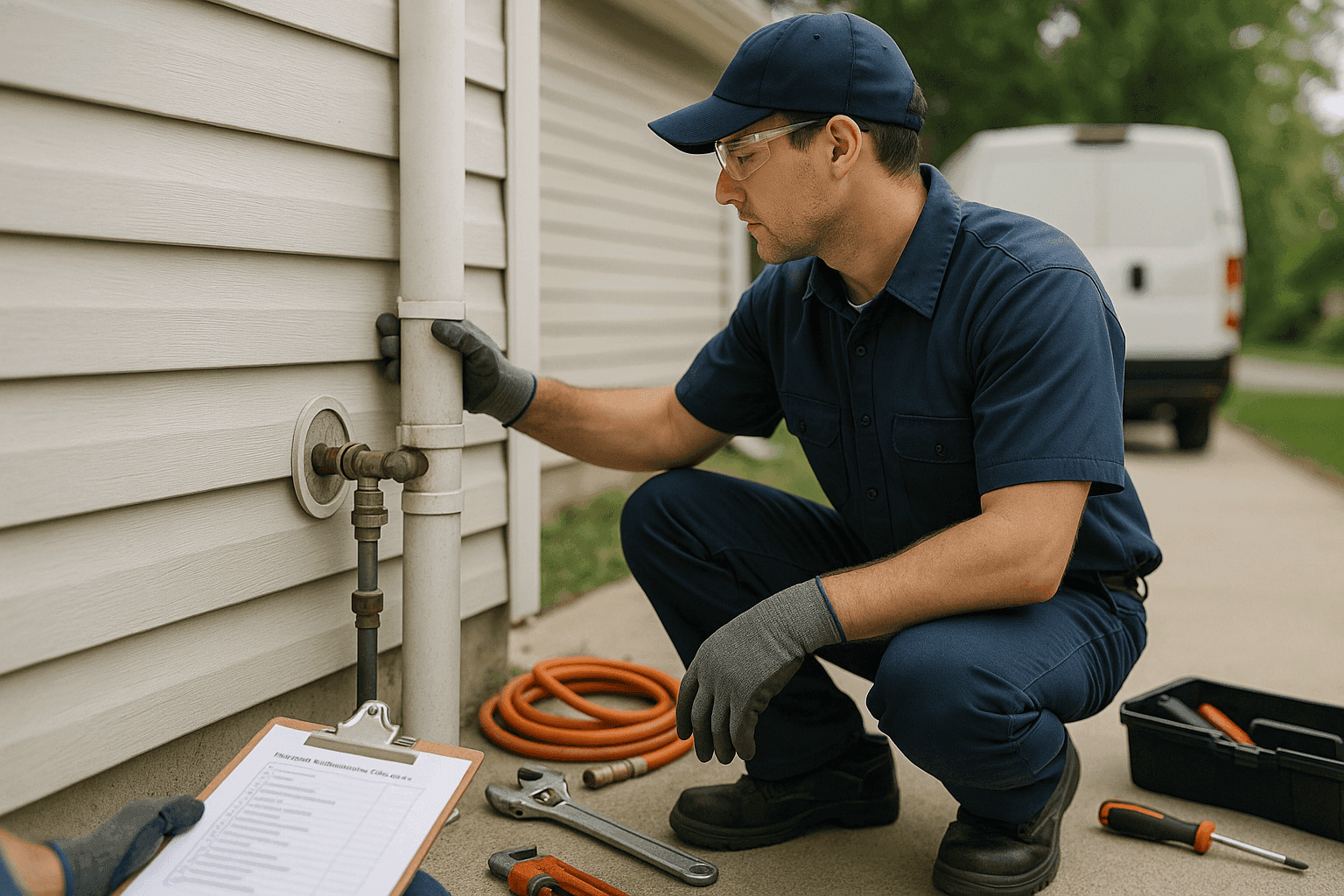
Plumbing emergencies don’t wait for a convenient time. A burst pipe or a clogged drain can turn a peaceful evening into a race against water damage. For homeowners and small business owners, a little preparation goes a long way. That’s why knowing what your plumbing system needs—season by season—can help you sidestep disaster.
At Alexanders Plumbing, we’ve seen firsthand how the changing seasons put pressure on pipes, fixtures, and drains. Regular maintenance isn’t just a chore; it’s the difference between peace of mind and a midnight call for emergency plumbing help.
Why Seasonal Plumbing Care Matters
Each season brings its own challenges. Winter’s deep freeze, spring’s thaw, summer’s heavy use, and fall’s temperature swings all play tug-of-war with your plumbing. Like tuning up your car before a road trip, preparing your plumbing for the season ahead keeps everything running smoothly.
Ignoring these changes can lead to leaks, bursts, and costly repairs. The good news? Most emergencies are preventable with a little know-how and timely action.
Winter Plumbing Tips: Keep the Cold at Bay ❄️
Winter is tough on pipes. When temperatures drop, water inside pipes can freeze and expand, sometimes splitting the pipe wide open. This can flood basements, ruin drywall, and turn your home or business upside down.
How to Prevent Frozen Pipes
- Insulate exposed pipes: Use foam sleeves or heat tape for pipes in unheated areas like basements, garages, or crawl spaces.
- Let faucets drip: A slow trickle keeps water moving and helps prevent freezing.
- Seal gaps: Check for drafts around pipes and seal with caulk or insulation.
- Keep heat on: Even when you’re away, keep the thermostat above 55°F (13°C).
Boiler and Water Heater Care
- Schedule a checkup: Have your boiler or water heater inspected by a licensed professional before the cold sets in.
- Flush the tank: Sediment buildup reduces efficiency and can shorten the life of your water heater.
- Check safety valves: Make sure pressure relief valves are working as designed. Refer to manufacturer guidelines and local safety codes.
Warning Signs to Watch For
- Unusual banging or whistling noises from pipes
- Reduced water flow or pressure
- Damp spots, especially on exterior walls
When to Call a Pro
If you notice frost on pipes, water stains, or suspect a hidden leak, don’t wait. Emergency plumbing services can prevent a small issue from becoming a major headache.
Spring Maintenance: Out With the Old, In With the New 🌱
Spring thaw means melting snow and heavy rains. This is prime time for leaks to appear and sump pumps to earn their keep.
Inspect for Leaks
- Check under sinks and around appliances: Look for puddles or water stains.
- Test shut-off valves: Make sure they turn easily and don’t leak.
- Scan ceilings and walls: Yellowish stains can signal hidden leaks.
Sump Pump Check
- Test operation: Pour a bucket of water into the sump pit—watch for automatic pump activation.
- Clean the pit: Remove any debris that could block the float switch.
- Inspect discharge lines: Ensure they’re clear and direct water away from your foundation.
Drain and Sewer Line Inspection
- Schedule a professional camera inspection: Tree roots and shifting soil can crack pipes over winter.
- Listen for slow drains or gurgling: These signs mean it’s time for drain cleaning.
Warning Signs to Watch For
- Musty smells in the basement
- Soggy patches in the yard (could signal a sewer leak)
- Sump pump running constantly
When to Call a Pro
If your sump pump fails or you find a persistent leak, call for help. Quick action can prevent mold, mildew, and structural damage.
Summer Plumbing Care: Stay Cool and Clear ☀️
Summer means more showers, laundry, and backyard fun. Your plumbing works overtime, and small problems can quickly grow.
Drain Cleaning
- Clear slow drains: Use a plunger or safe, enzyme-based cleaner.
- Avoid chemical drain cleaners: They can corrode pipes and harm the environment.
- Schedule professional cleaning: Especially if you notice recurring clogs.
Water Heater Inspection
- Check temperature settings: 120°F (49°C) is usually ideal—hot enough for safety, cool enough to prevent scalding and save energy.
- Look for rust or leaks: These are signs your heater needs attention.
Garbage Disposal and Fixture Care
- Run cold water while using disposals: This helps flush waste.
- Avoid fibrous foods: Corn husks, celery, and potato peels can jam the blades.
- Tighten loose fixtures: Dripping faucets waste water and money.
Warning Signs to Watch For
- Water pooling under appliances
- Odd noises from garbage disposal
- Warm spots on floors (possible hidden leaks)
When to Call a Pro
If drains back up or your water heater acts up, don’t wait for a full breakdown. Emergency plumbing services can keep your summer stress-free.
Fall Preparation: Get Ready for the Chill 🍂
Fall is the season to prepare for winter’s bite. Protecting your plumbing now saves headaches later.
Pipe Insulation
- Wrap outdoor and basement pipes: Focus on areas near exterior walls.
- Disconnect and drain outdoor hoses: Store them indoors to prevent freezing.
Backflow Prevention
- Test backflow devices: Prevent contaminated water from entering your supply.
- Schedule annual inspections: Many codes require this for commercial properties.
Gutter and Drain Maintenance
- Clear gutters and downspouts: Keep water away from your foundation.
- Check yard drains: Remove leaves and debris.
Water Heater and Boiler Prep
- Service boilers: Clean burners and check safety controls.
- Flush water heaters: Remove sediment before heavy winter use.
Warning Signs to Watch For
- Dripping outdoor faucets
- Water pressure changes
- Rusty water from taps
When to Call a Pro
If you spot leaks, can’t insulate pipes yourself, or need backflow testing, schedule service before the first frost.
The Value of Preventative Maintenance
Think of plumbing maintenance like brushing your teeth. Skipping it may seem harmless—until a small problem turns into a big, expensive one.
- Reduces emergencies: Most plumbing disasters start as minor issues.
- Saves money: Early fixes cost less than major repairs.
- Protects health: Prevents mold, mildew, and water contamination.
- Extends system life: Well-maintained pipes and fixtures last years longer.
The International Association of Certified Home Inspectors (InterNACHI) and the Plumbing-Heating-Cooling Contractors Association (PHCC) both recommend annual plumbing inspections for homes and businesses.
Warning Signs: Don’t Ignore These Red Flags
- Sudden drop in water pressure
- Unexplained increase in water bills
- Persistent dampness or musty odors
- Water pooling around fixtures or appliances
- Unusual noises (banging, whistling, gurgling)
If you spot any of these, act fast. Small leaks can quickly become big emergencies.
DIY or Call a Professional?
Some jobs are safe for handy homeowners. Others need a licensed plumber.
Safe DIY Tasks
- Tightening loose fittings
- Clearing minor clogs with a plunger
- Insulating accessible pipes
When to Call Alexanders Plumbing
- Suspected leaks inside walls or floors
- Low water pressure throughout the building
- Sewer smells or frequent drain backups
- Water heater or boiler issues
- Gas line or backflow device work (always call a professional—safety first!)
What Happens When a Pro Arrives
When you call Alexanders Plumbing for emergency plumbing or seasonal maintenance, here’s what to expect:
- Thorough inspection: We check visible pipes, fixtures, and appliances.
- Diagnostic testing: Pressure checks, leak detection, and camera inspections as needed.
- Clear communication: We explain what’s happening, what needs fixing, and why.
- Code-compliant repairs: All work follows current plumbing codes and safety standards.
Costs & Time Factors
Plumbing maintenance costs depend on the job’s size and complexity. Here’s what to keep in mind:
- Most inspections take 1–2 hours.
- Minor repairs (like tightening fittings or replacing washers) are quick and affordable.
- Larger jobs (like repiping or water heater replacement) take longer and cost more.
- Emergency plumbing services may cost more after hours or on holidays.
Investing in regular maintenance is always cheaper than dealing with a major leak or flood.
When It’s an Emergency
Some problems can’t wait. Call for emergency plumbing if you notice:
- Sudden flooding or water pouring from pipes
- No water at all (can signal a main line break)
- Sewage backups or foul smells
- Gas odors (leave the building immediately and call for help)
Never ignore signs of a plumbing emergency. Quick action protects your property and your health.
Frequently Asked Questions
How often should I schedule plumbing maintenance?
Most experts recommend a professional inspection once a year. Seasonal checks at home—like looking for leaks or testing your sump pump—are smart additions.
What can I do to prevent frozen pipes?
Insulate exposed pipes, keep the heat on, and let faucets drip during extreme cold. Open cabinet doors to let warm air reach pipes under sinks.
Is it safe to use chemical drain cleaners?
Avoid them. Chemical cleaners can damage pipes and harm the environment. Try a plunger or enzyme-based cleaner, or call a professional for tough clogs.
What’s the best way to find hidden leaks?
Watch for water stains, musty odors, or unexplained spikes in your water bill. Professionals use acoustic detectors and thermal imaging to find leaks inside walls and floors.
Special Considerations for Homes and Small Businesses
- Older buildings: Pipes may be more vulnerable to leaks and corrosion. Schedule inspections more frequently.
- Commercial properties: Backflow prevention and regular testing may be required by code.
- Vacation homes or seasonal properties: Winterize plumbing before leaving for extended periods.
Taking these extra steps keeps your plumbing system healthy, no matter the season.
Regular, seasonal maintenance is the best way to avoid plumbing disasters and costly emergency plumbing calls. Whether you’re a homeowner or small business owner, a little effort now saves a lot of trouble later. If you’re ready for peace of mind, let Alexanders Plumbing help you protect your property all year long.
Call Alexanders Plumbing now — or reach us anytime at 877-837-7096 .