How to Prepare Your Plumbing for Winter Freezes and Storms
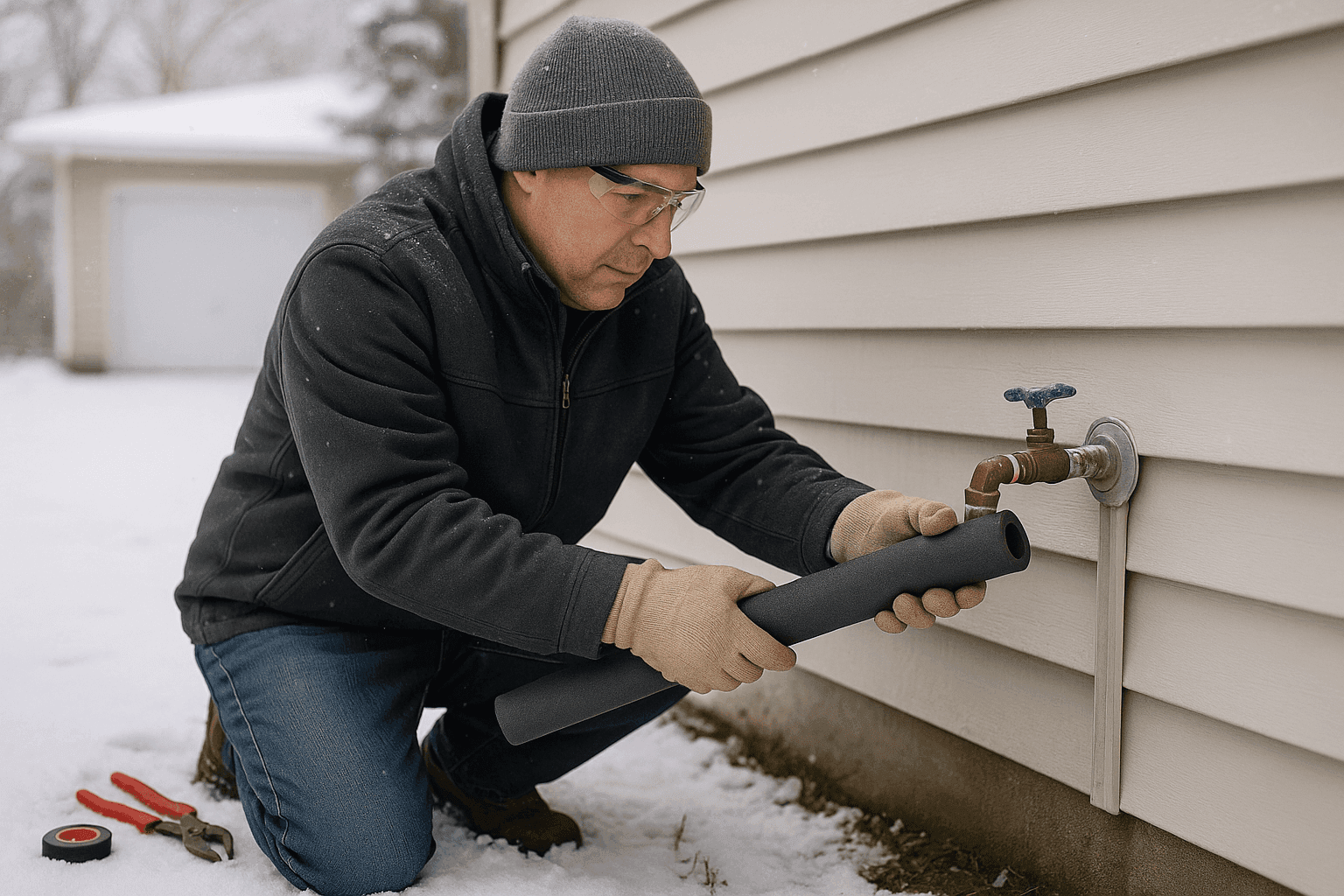
When the cold winds start to howl and the first frost creeps in, your plumbing feels it too. Pipes don’t care if you’re busy with work or holiday plans—they’ll freeze, crack, or burst when winter storms hit, leaving you with water everywhere and a headache you didn’t need.
At Alexanders Plumbing, we’ve seen it all. We know how quickly a minor drip can turn into a waterfall. This guide is packed with practical, easy-to-follow advice so you can keep your plumbing safe, warm, and working—no matter what winter throws your way.
The Hidden Dangers of Winter: Common Plumbing Risks
Winter is tough on pipes. When temperatures drop, water inside pipes can freeze. Water expands as it freezes, pushing against the pipe walls until—snap!—the pipe bursts. Suddenly, you’re dealing with a flood, not just a trickle.
Storms bring their own set of problems. Heavy rain and melting snow can overwhelm drains and sump pumps. Ice dams block gutters, forcing water where it shouldn’t go. Even a small crack in a pipe can grow into a major leak under winter’s pressure.
Here are the main risks you should watch for:
- Frozen pipes that can burst and flood your home or business.
- Clogged drains from leaves, ice, or debris.
- Sump pump failures leading to flooded basements.
- Leaky outdoor faucets that freeze and split.
- Water heater breakdowns when you need hot water most.
Ignoring these risks is like leaving your front door open in a blizzard. Preparation is your best defense.
Identifying Vulnerable Plumbing Areas 🕵️
Not all pipes are created equal when it comes to winter. Some are more exposed to the cold—and more likely to freeze or burst.
Key areas to inspect:
- Exposed Pipes: Pipes running along exterior walls, in unheated garages, crawl spaces, attics, or basements.
- Outdoor Faucets & Hose Bibs: These are the first to freeze and crack.
- Sump Pumps & Drain Lines: Essential for preventing basement floods, but vulnerable if not maintained.
- Water Heaters & Boilers: Cold weather strains these systems, especially older units.
- Main Shutoff Valve: Know where it is—fast access can save you from disaster.
Tip: Walk through your property with a flashlight. Look for pipes that feel cold or are close to outside walls. If you can see your breath, your pipes are at risk too.
Step-by-Step Winterization Techniques
Winterizing your plumbing isn’t just for old houses. Even new builds can suffer if not properly protected. Here’s how to get your system ready:
1. Insulate Exposed Pipes
- Use foam pipe insulation sleeves or wrap pipes with insulating tape.
- Pay special attention to pipes in unheated areas.
- For extra cold spots, double up on insulation.
2. Drain and Disconnect Outdoor Lines
- Remove, drain, and store garden hoses.
- Shut off water supply to outdoor faucets, if possible.
- Open outdoor faucets to let remaining water drain out.
3. Seal Up Leaks and Gaps
- Check for cracks or holes near pipes on exterior walls.
- Use caulk or spray foam to seal gaps and keep cold air out.
- Weather-strip doors and windows near plumbing.
4. Service Sump Pumps and Drains
- Test your sump pump by pouring water into the pit. It should start automatically.
- Clean out debris from sump pits and outdoor drains.
- Make sure discharge lines are clear and directed away from your foundation.
5. Adjust Water Heater Settings
- Set your water heater to 120°F (as recommended by the U.S. Department of Energy).
- Flush the tank to remove sediment buildup, which can cause breakdowns.
- Schedule a professional inspection if your water heater is over 8–10 years old.
6. Keep Indoor Areas Warm
- Open cabinet doors under sinks to let warm air circulate.
- Don’t set your thermostat below 55°F, even if you’re away.
- Close garage doors to protect pipes running through or near the garage.
Emergency Preparedness Tips
Winter can be unpredictable. A little preparation goes a long way when a plumbing emergency strikes.
Know Your Shutoff Valve
- Locate your main water shutoff valve now, before you need it.
- Teach everyone in your household or staff where it is and how to use it.
- In an emergency, shutting off water quickly can stop a small leak from becoming a flood.
Build a Plumbing Emergency Kit
- Flashlight and spare batteries
- Adjustable wrench and pliers
- Pipe insulation or towels for temporary wrapping
- Bucket and mop
- Contact information for 24/7 emergency plumbing (like Alexanders Plumbing)
When to Call for Help
If you notice a sudden drop in water pressure, hear banging in the pipes, or see water pooling where it shouldn’t be, call an emergency plumber immediately. Waiting can turn a small problem into a major repair.
Seasonal Maintenance Checklist
Staying ahead of plumbing problems is easier than cleaning up after them. Use this checklist every fall and winter:
- Inspect exposed pipes and add insulation where needed.
- Drain and shut off outdoor faucets.
- Clean gutters and downspouts to prevent ice dams.
- Test sump pumps and backup batteries.
- Flush water heaters and check for leaks.
- Check for drafts and seal gaps around pipes.
- Review your emergency kit and update contact numbers.
- Schedule a professional inspection if you notice any issues.
Simple habits, big results. Think of it as brushing your teeth—small steps now prevent big pain later.
DIY vs. When to Call a Professional
Some winterization tasks are easy to tackle yourself. Others are best left to the pros.
DIY-Friendly:
- Adding pipe insulation
- Draining hoses and outdoor faucets
- Sealing small gaps with caulk
- Testing sump pumps
Call a Pro For:
- Major leaks or burst pipes
- Frozen pipes you can’t thaw safely
- Water heater or boiler issues
- Gas line concerns
- Sewer line backups
If you’re unsure, don’t gamble. Pipes can’t wait for second guesses.
What Happens When a Plumber Arrives
When you call Alexanders Plumbing for emergency plumbing, here’s what you can expect:
- Rapid Assessment: We’ll quickly locate the source of the problem and assess the risk of further damage.
- Containment: We’ll shut off the water if needed and use professional tools to stop leaks or flooding.
- Repair: We’ll fix or replace damaged pipes, fittings, or fixtures using quality parts.
- Prevention Advice: Before we leave, we’ll share tips to help you avoid future emergencies.
Our team is trained to handle everything from frozen pipes to failed sump pumps, 24/7.
Prevention & Maintenance: Your Winter Plumbing Shield 🛡️
Staying proactive keeps your plumbing system running smoothly, even in the harshest weather.
Key habits:
- Schedule annual plumbing inspections, especially before winter.
- Install smart water leak detectors for early warnings.
- Keep a record of past plumbing issues and repairs.
- Know your property’s plumbing layout—where pipes run, where shutoffs are, and which areas freeze first.
Refer to building codes and safety guidelines from organizations like the International Association of Plumbing and Mechanical Officials (IAPMO) and the American Society of Plumbing Engineers (ASPE) for best practices.
Costs & Time Factors
Preparing your plumbing for winter doesn’t have to break the bank. Here’s what to expect:
- DIY insulation materials: Usually affordable and available at hardware stores.
- Professional winterization or repairs: Costs depend on the extent of work and accessibility of pipes.
- Emergency plumbing services: Higher after-hours or holiday rates are common, but fast action can save thousands in water damage.
- Time investment: Most DIY tasks take a few hours. Major repairs or thawing frozen pipes may take longer, especially if walls or floors need to be opened.
Remember, the cost of prevention is almost always less than the cost of emergency repairs and water damage restoration.
When It’s an Emergency
Not every plumbing issue can wait for daylight. Call for emergency plumbing help right away if:
- You find a burst or actively leaking pipe.
- No water comes from your taps and you suspect a freeze.
- Water is pooling near your foundation or basement.
- You smell gas or suspect a gas line problem.
- Your sump pump fails during a storm.
Quick action protects your property and keeps your family or business safe.
Frequently Asked Questions
How do I know if my pipes are frozen?
If you turn on a faucet and only a trickle comes out, or nothing at all, your pipes may be frozen. You might also notice frost on the pipes or hear strange noises. Act quickly—frozen pipes can burst without warning.
Can I thaw frozen pipes myself?
You can try warming the pipe with a hair dryer, starting near the faucet and working back toward the coldest section. Never use an open flame. If you can’t reach the pipe or it’s already leaking, call a plumber immediately.
What temperature do pipes freeze at?
Pipes typically start to freeze when temperatures drop below 32°F (0°C), especially if they are uninsulated and exposed to cold air.
Should I leave faucets dripping during a freeze?
Yes, allowing a slow drip keeps water moving and reduces the risk of freezing. Focus on faucets served by pipes running along exterior walls.
Special Considerations for Homeowners and Small Businesses
Every property is unique. Older homes may have more exposed pipes, while businesses often have complex plumbing layouts with higher water demands.
- Homeowners: Check crawl spaces, attics, and under sinks for vulnerable pipes. If you plan to travel, ask a neighbor to check your property or install smart leak sensors.
- Small Business Owners: Schedule plumbing checks before holidays or busy seasons. Ensure employees know how to shut off water and respond to emergencies. Consider backup sump pumps or alarms if you store inventory in basements.
Remember, a little planning keeps your home or business running smoothly all winter long.
Call Alexanders Plumbing now — or reach us anytime at 877-837-7096 .